Introduction
A soldering station is a versatile power soldering device specifically designed for electronic component soldering. A typical soldering station consists of one or more tools connected to a central unit. A soldering station features adjustable temperature settings and multiple tools for various soldering tasks, thus offering enhanced control and flexibility. It acts as an all-in-one solution, equipping users with everything necessary for soldering projects. With soldering integral to fields like electronics, manufacturing, and research, a soldering station is a crucial tool, ensuring precision, safety, and stability throughout operations. This comprehensive guide aims to provide a definitive overview of soldering stations, including their components, features, types, and applications, catering to the needs of the technical audience.
Components of soldering station: The primary application of soldering stations remains in soldering PCB circuit boards within electronics manufacturing facilities. Below are the components of soldering station-
- Control unit
- Soldering irons
- Soldering iron tips
- Soldering iron stand and tip cleaning sponge
- Solder wire
- Soldering flux
Control unit/Power station: A power station is an essential component of a soldering station, providing adjustable temperature control for soldering through-hole and SMD components on PCBs. It consists of a main control unit (CU) connected to one or more soldering tools, offering manual or automatic temperature control, temperature display, and a transformer for adjusting wattage. These stations allow precise temperature adjustment, enhancing workspace safety with features like advanced temperature sensors, alert settings, and even password protection, making them indispensable for PCB assembly, manufacturing, repair, and rework on the workbench. The soldering stations are categorized as analog or digital.
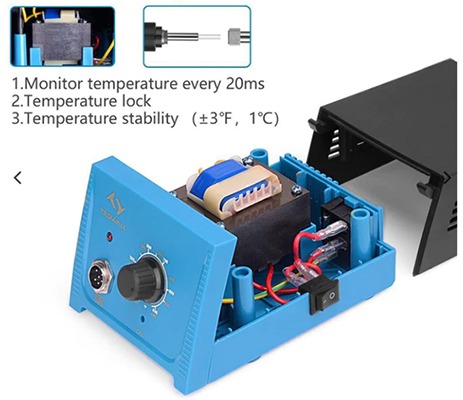
Figure 1: Analog soldering station with built-in transformer and PID temperature control technology(Image source)
1. Analog: In an analog soldering station, the heating element within the soldering pencil operates until the soldering tip achieves a predetermined temperature. This temperature is set using a knob on the Control Unit, triggering an automatic power cutoff. Conversely, if the temperature of the soldering tip dips below the preset level, the heating element reactivates to restore the tip to the desired temperature. This control system employs a standard electromagnetic relay and thermostat, with the thermostat sensing the soldering tip's temperature and regulating the relay's activation and deactivation accordingly.
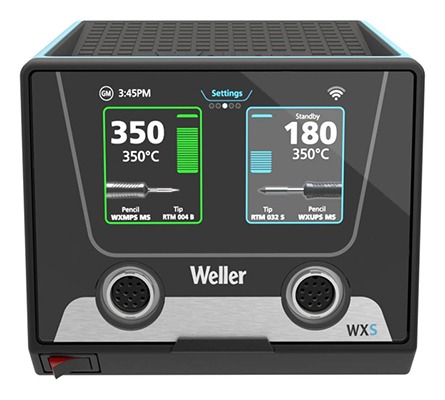
Figure 2: Digital soldering station(Image source)
2. Digital: In a digital soldering station, the main control unit features a Proportional–Integral–Derivative (PID) regulator, driven by an advanced microprocessor, to control the temperature of the soldering pencil precisely. While its operation parallels an analog system, the digital soldering station's microprocessor can be finely calibrated to sense and manage temperatures accurately. It is crucial for soldering intricate SMT circuits and delicate Small Chip Components. The Digital Display on the Control Unit provides real-time temperature readings, assisting technicians in their soldering tasks. Despite digital soldering stations coming at a higher price than their analog counterparts, their precision and performance justify the investment.
The demand for safer soldering solutions grows as electronic components shrink and become more sensitive. We now have 'Non-contact Type Soldering Stations,' specifically designed for handling delicate SMD components. These stations come in Infrared and Hot Air, enabling soldering without direct contact between the soldering pencil tip and the SMD component. For instance, Hot Air Stations employ a stream of high-temperature air through the tip to solder SMD components without any physical contact with either the component or the board.
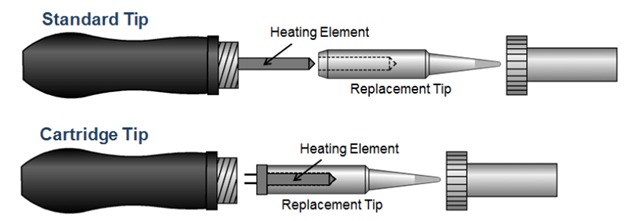
Figure 3: Cross section of soldering iron(Image source)
3. Soldering irons: These handheld devices are indispensable tools in electronics and metalworking. They are designed to melt the solder and apply it with precision. They comprise an insulated handle and a heated pointed metal tip, allowing efficient soldering of metals like gold, silver, iron, copper, and brass. These irons are typically powered by electric, gas or battery, heating the tip of the soldering irons to the solder's melting temperature and creating solid joints. While standalone soldering irons are cost-effective and versatile, many professionals opt for comprehensive soldering iron kits. These kits pack essential components for various tasks like circuit board assembly, jewelry making, and electronics repair. Additionally, soldering irons can be used to separate desoldering joints by applying heat.
Simple low-power soldering irons are available in different power ranges, from 15 to 35 watts. Their heating element temperature depends on factors like workpiece temperature, environmental cooling, and thermal equilibrium. Temperature-controlled soldering irons, equipped with thermostats and adjustable temperature settings, provide precise temperature control, enhancing soldering accuracy and efficiency, albeit at a higher cost than basic models. A good contact surface between the tip and the application is essential for effectively leveraging the high power of a soldering station, regardless of brand or price range. For instance, soldering a thick copper cable with a 0.2 mm tip requires minimal power. In contrast, a 5mm tip demands higher wattage to maintain temperature, making the station's high-power capability beneficial.
| Application | Soldering iron | Minimum recommended power |
|---|---|---|
| Soldering of 1- or 2-layer printing / thin cables | Containing lead | 35W |
| Soldering of 1- or 2-layer printing / thin cables | Lead free | 45W |
| Soldering of multilayer printing and / or use of lead-free solder | Containing lead | 60W |
| Soldering of multilayer printing and / or use of lead-free solder | Lead free | 70W |
| Special applications, such as heavy transformers, very thi,ck cables, thick copper surfaces/ ground planes | All | 100W |
Table 1: Different power requirements for various soldering applications
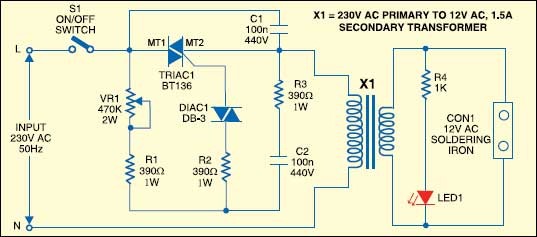
Figure 4: Temperature-controlled soldering iron circuit(Image source)
Soldering irons typically operate at 230V/120V AC mains and are available in various wattages. For those who prefer manual temperature control, a simple circuit can be assembled using components like a power switch S1, TRIAC1, DIAC1, potentiometer VR1, capacitors (C1 and C2), and resistors (R1 to R3) to regulate the temperature of a 12V AC soldering iron. You can adjust the potentiometer to alter the conduction angle of the TRIAC, thus controlling the iron's output power. A red LED within the circuit indicates the power status for easy monitoring.
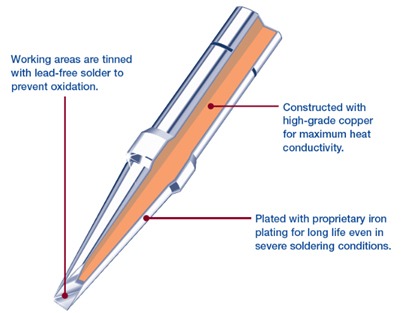
Figure 5: Cross section of soldering iron tip(Image source)
Soldering iron tip: The soldering iron tip, typically made of copper or copper alloy, efficiently transfers the thermal energy from the heater to the solder joint due to its excellent thermal conductivity. The conductivity of the tip determines the speed at which thermal energy is transmitted. Its geometric shape, size, and heating capability affect performance and efficiency. Various plating processes are used to increase tip lifespan and prevent copper-tin mixing.
One technique involves nickel and iron electroplating to create a barrier between the copper base and solder alloy. Another method skips nickel plating, using iron as the barrier metal. Although various soldering bits are available, six main types are popular in the market:
Needle (I-series) tip: The I series, or needle-type, soldering iron tip, is designed for intricate work, with a pointed shape ideal for precision tasks. However, its small size and limited surface area transfer less heat than other tips, rendering it unsuitable for soldering more significant components.
Conical (B-series) tip: The conical tip features a tapered, rounded end that delivers precise heat to a defined area. Its cone-like shape facilitates soldering from multiple angles and makes it appropriate for a broad range of applications, from point soldering to drag soldering.
Beveled (C-series) tip: The bevel tip, also known as C-series, offers the advantages of both chisel and conical tips with its slanted edge. It is ideal for drag soldering but can hold more Solder than a conical tip. Its curved surface allows for easy spreading and precise application of Solder to various points, whether close or far apart.
Chisel (D-series) tip: Chisel tips are widely popular for their versatility across various soldering tasks. Their broad edge ensures uniform heat distribution and solder flow. They excel in applications that require access between components, making them ideal for cables, broader surface mount components, and onboard connections.
Hoof/Flow point (E-series) tip: The hoof tip, resembling a horse's hoof, features a curved edge and flat surface, offering a larger contact area. Unlike flat chisel tips, hoof tips have a spherical indentation, and they help correct bridging issues.
Knife (K-series) tip: The knife tip's unique edge shape enables access to slotted cavities where other tips may struggle. It excels in multi-lead applications and handling J-leaded components such as PLCCs and DRAMs. Additionally, its slanted edge is effective for addressing solder bridges. When paired with soldering braid and tacky flux, the knife tip efficiently removes Solder from multiple pads simultaneously, offering a time-saving solution.
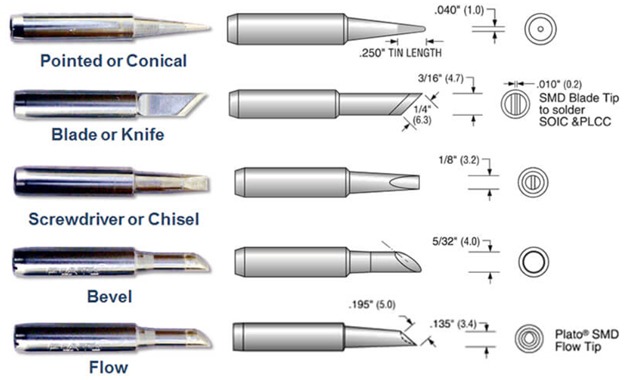
Figure 6: Types of soldering iron tips(Image source)
To learn more about soldering iron, click here and here. You can also find helpful soldering tips information by clicking here.
| Soldering iron tip | Applications |
|---|---|
| Needle – I Series | Narrow pitch soldering and detailed work |
| Conical – (B Series) | Working in confined spaces between components, for a narrow pitch with tall ICs around, wire connector applications. |
| Beveled –(C-series) | For drag soldering across the fine-pitch pins on a PCB to solder an entire row quickly. |
| Chisel (D-series) | Soldering thick wires, broader surface mount components, and onboard connections, even desoldering. |
| Hoof point(E-series) | Soldering small gauge wires, drag soldering, bigger components, power electronics, and heat sinks. |
| Knife (K-series) | Drag and point soldering, rework, pad cleaning and fixing soldering bridges, re |
Table 2: Application of various soldering iron tips
For precise SMD application below are the dedicated tips -
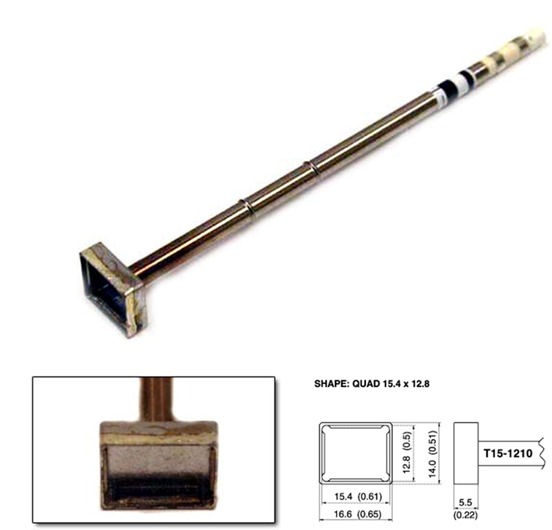
Figure 7: Shape quad soldering tip(Image source)
Shape Quad : They can heat multiple pins or lead wires simultaneously. It is used to rework surface-mount devices (SMDs), particularly Quad Flat Packs (QFPs).
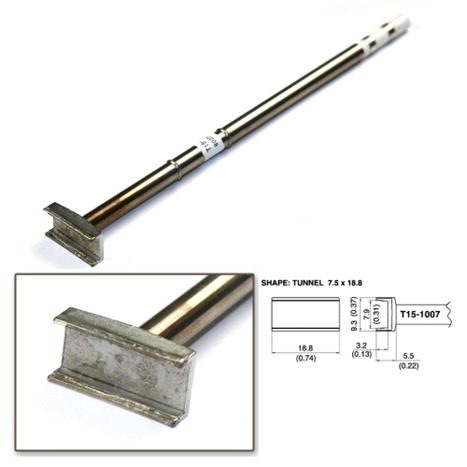
Figure 8: Shape tunnel soldering tip(Image source)
Shape Tunnel: This tip can heat multiple pins or lead wires simultaneously. It is used to rework SMDs and remove Small Outline Packages (SOPs).
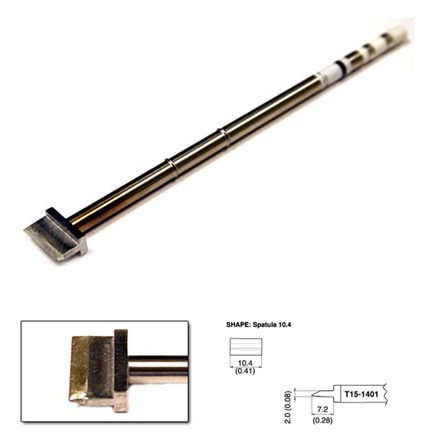
Figure 9: Shape spatula soldering tip(Image source)
Shape Spatula: Shape Spatula tip is also capable of heating multiple pins or lead wires at once, and is used to rework SMDs. This tip type is also suited for soldering tasks such as thermal compression of flexible PCBs, RFI shielding cases, and connectors.
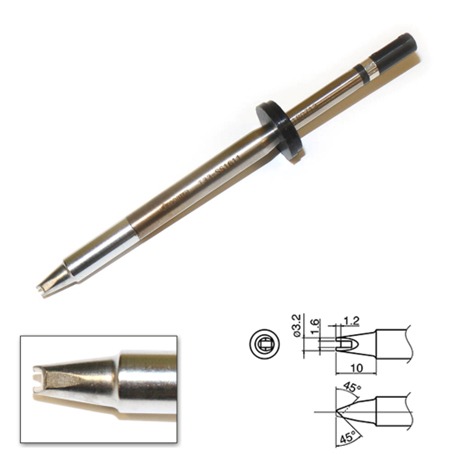
Figure 10: Shape concave soldering tip(Image source)
Shape Concave: It has a groove at the end, making it ideal for removing chip resistors and capacitors. It is also an excellent solution for fine-pitch soldering.
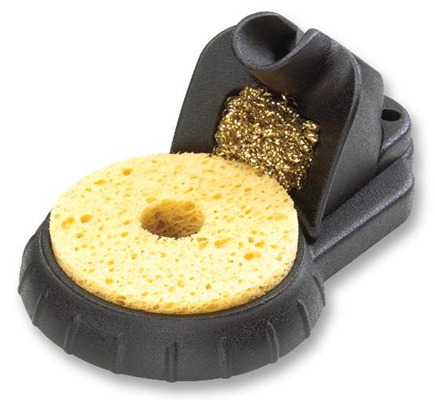
Figure 11: Soldering iron stand and tip cleaning sponge(Image source)
Soldering iron stand and tip cleaning sponge- Using a heat-resistant bench-type holder alongside a soldering iron ensures safe storage between uses, minimizing accidents and preventing contact with flammable materials. Most soldering stations come equipped with this essential feature, frequently accompanied by a sponge or brass sponge for tip cleaning. A sponge cleans the soldering iron tip by removing oxidation buildup, ensuring optimal solder acceptance. While a wet sponge is an option, it can shorten the tip lifespan due to temperature fluctuations. Instead, opt for a brass sponge for better performance and longevity.
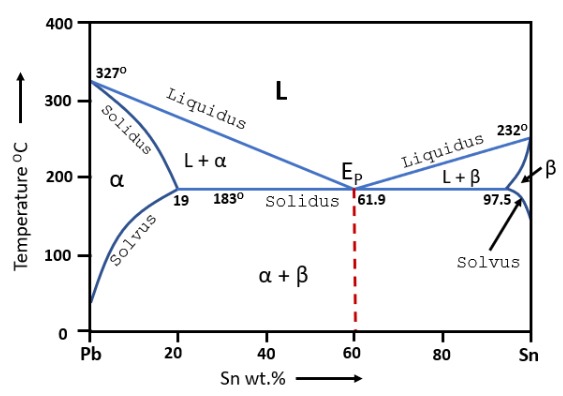
Figure 12: Sn-Pb Phase Diagram(Image source)
Solder wire - Solder, a vital component in electronic assembly, is a fusible metal alloy typically crafted from lead and tin, having a low melting point below 350°C. This unique feature enables it to hold electronic assemblies together, allowing thermal expansion, heat dissipation, and electrical signal transmission. Used in electronics assembly, Solder acts as a bonding material for circuit components, wiring harnesses, connectors, and printed circuit boards (PCBs). During soldering, once the joint reaches the appropriate temperature, the molten solder alloy flows into place, creating a robust bond without melting the connected items. There are many solder options available today, but you can simplify your search by focusing on three main categories-
Lead-based: Leaded Solder, a blend of metals consisting mainly of Tin (Sn) and Lead (Pb), has long relied on lead-tin combinations for electronic soldering. It comes in two popular types:
- 63/37 solder, with 63% Tin and 37% Lead, is the standard choice for its shiny finish and fusibility. It forms an Eutectic alloy with a melting point of 183°C, widely used in electric welding techniques.
- 60/40 solder, with 60% Tin and 40% Lead, is less joint due to lower solder quality, higher melting temperature requirements, and less shiny joints compared to 63/37 solder.
The low eutectic temperature of Sn-Pb solder (illustrated in Figure 7) at 183°C offers excellent strength and flexibility, making it durable under thermal cycling. Pb, while providing adequate solubility, readily combines with Sn. They are commonly used in board-level packaging, and solder compositions like 63Sn37Pb and 60Sn-40Pb exhibit eutectic or near-eutectic properties. Pb in Sn-Pb solder provides technical advantages, such as reducing surface tension and enhancing wetting, with 63Sn-37Pb Solder displaying lower surface tension at 280°C (470mN/m) compared to pure tin (550N/m at 232°C).
Leaded solder wire transitions swiftly between solid and liquid states, with temperature changes aiding in minimizing cold joints. Despite tightening regulations on lead-containing items, tin and lead solder remain widely used in electrical manufacturing, gas lines, and brass soldering. Additionally, lead/zinc solder offers a cost-effective alternative for connecting metals like aluminum and cast iron, thanks to zinc's ability to lower both melting points and costs.

Table 3. Different types of Solder are commonly used in the electronic industry, jewelry, and plumbing(source)
Lead-free: The leaded soldering process is easier due to lead's low melting point and flow properties. However, environmental pressures (commercial use of lead-containing solder is prohibited as per European Directive laws), regulatory compliance (RoHs), and financial incentives have shifted focus to lead-free alternatives and accelerated the adoption of lead-free solders. These solders are mainly formulated with metals such as indium (In), tin (Sn), and aluminum (Al). Lead-free solder wire is primarily a blend of Tin (Sn), Silver (Ag), and Copper (Cu), typically with a ratio of 96.5% Sn, 3% Ag, and 0.5% Cu. This composition offers superior electrical conductivity and resistance to deformation compared to standard solder tin-lead (a eutectic composition 63/37 ratio). It boasts a similar melting point to tin-lead solder at around 227°C with enhanced electrical conductivity. This makes it particularly suitable for intricate electronic work and circuit assembly. Another option involves including a small amount of silver, offering a lower melting point of approximately 217°C, albeit at a slightly higher cost. Despite a slightly higher melting point, reliability between lead and lead-free solders is typically comparable, especially in manual soldering. These solders are conveniently packaged in reels or dispensers, similar to traditional solders.
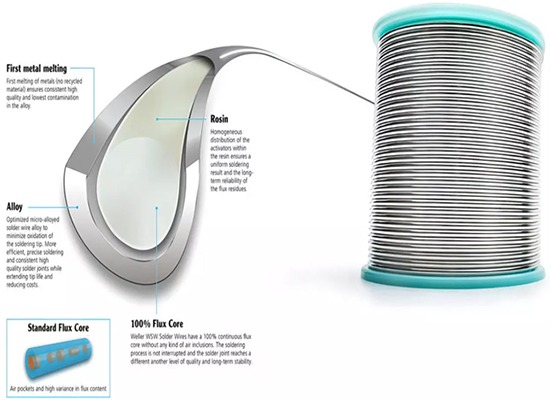
Figure 13: Infographic view of solder wire(Image source)
Flux-core: This solder type integrates the solder alloy and flux within the soldering wire. During soldering, the flux forms a protective layer around the workpiece, resulting in cleaner electronic connections and improved wetting properties. There are two common flux types: acid core, ideal for high-temperature bonds, and rosin core, preferred for electrical applications due to its non-corrosive nature. Both lead-based and lead-free options are available with flux cores. Rosin and acid core solder wires are tube-shaped, with flux within the center. Rosin core solder features a mild flux, making it ideal for soldering parts where residue removal is challenging, such as electric circuit boards or electrical connections. Its non-corrosive residue eliminates the need for post-solder cleaning, making it suitable for applications with extreme temperature fluctuations. Rosin core solder is preferred for precision work, although thicker gauges are necessary for blow torch methods.
In contrast, acid core solder is designed for aggressive soldering, particularly for steel-to-metal joints. Its specialized chemical composition cleans oxidation from metals, ensuring satisfactory joints. Acid flux is commonly employed in metal mending and plumbing applications, while rosin flux typically finds application in electronics.
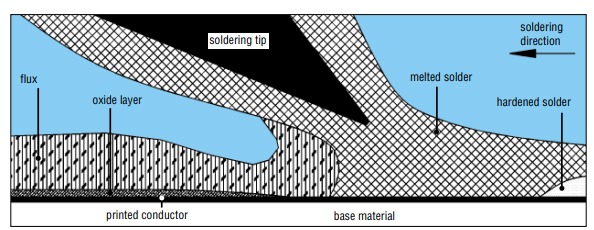
Figure 14: Flux reaction during soldering on a printed conductor when a soldering wire with flux core is used(Image source)
Soldering flux- Soldering flux, a crucial element in manual and automated electronics soldering, is essential in preparing metal surfaces. Cleaning and removing oxides and impurities ensures the formation of optimal solder joints. Oxides reduce conductivity and restrict electrical flow across circuit boards. Solder flux also prevents reoxidation, reduces surface tension and viscosity of molten Solder, enhances wettability, and facilitates the creation of permanent electrical and mechanical joints. It's available in paste, liquid, or core forms within solder wire, containing active ingredients like rosin or organic acids that react with metal oxides. In the electronics industry, soldering flux falls into three main categories:
- Rosin Flux: Derived from pine tree resin, this is one of the oldest and most widely used fluxes. This flux flows easily, even in high temperatures. While inert in its solid state, it becomes acidic when heated, effectively removing oxides and particles from surfaces. Cleaning with isopropyl alcohol is recommended, and flux residue should be promptly removed to prevent potential issues.
- Organic Flux: Also known as water-soluble flux, this type is derived from organic acids like citric, lactic, and stearic acid combined with solvents such as alcohol. It eliminates the need for alcohol-based fluxes, reduces VOC (volatile organic compound) emissions, and meets stringent regulations. Acid activators, such as chlorine and bromine compounds, necessitate thorough residue removal for longevity and reliability. Water-soluble fluxes provide optimal soldering conditions, seldom burn off during soldering, and are gentler on metals than other fluxes.
- Inorganic Flux: Formulated with chemicals like borates, fluorides, and chlorides, this flux is intended for use with robust metals such as brass, copper, and stainless steel. It is not recommended for electrical circuits and is primarily employed in non-electrical soldering applications like plumbing. Highly corrosive, any residue left behind could compromise solder joints.
Click here to find a variety of solder fluxes, and here for the versatile range of flux cleaners.
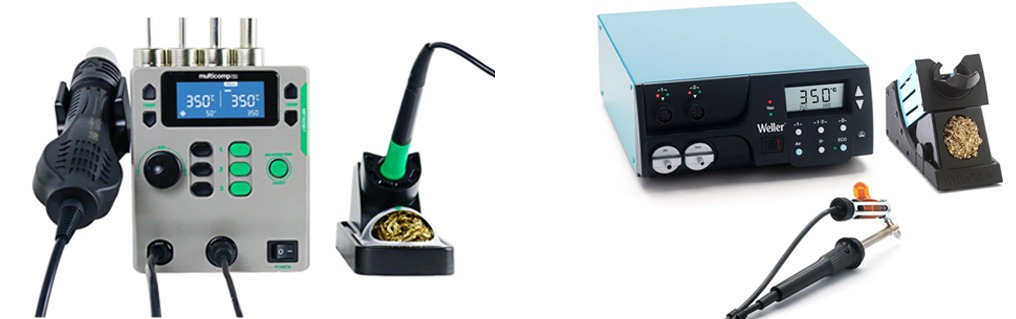
Figure 15: (a) and (b) 2 channel Rework station(a. Image source)(b. Image source)
Desoldering and rework
Desoldering is the process of removing electronic components from a circuit board by melting and removing the solder that holds them in place. It's the reverse of soldering, where you want to detach a component without damage to it or the board. Apart from the standard components found in soldering stations, a few additional parts are included. Unlike soldering stations that rely on direct contact with solder or components for precision, rework stations avoid direct contact altogether.
Rework stations are essential tools in electronics manufacturing and repair tasks. Specifically engineered for manipulating electronic components on printed circuit boards (PCBs), these stations incorporate advanced features, including a heating mechanism (utilizing hot air or infrared technology), precise temperature and airflow regulation, interchangeable nozzles or tips, and a vacuum system for component removal. Technicians use rework stations to apply controlled heat to specific areas, melt the solder and desolder components, and execute intricate rework procedures. These stations are crucial in restoring malfunctioning PCBs, replacing defective components, and modifying circuits to ensure optimal performance. They're particularly effective for delicate surface mount reworks, ensuring the safety of fragile components. The essential accessories for rework stations are:
- Nozzle Tips: Choose compatible hot air soldering tips for your station model.
- Solder: Quality solder options for various applications.
- Tip Cleaner: Maintain tip performance with regular cleaning.
- Flux: Liquid solution for cleaning metal surfaces.
- SMD Tweezers: Assist in handling small components safely.
- ESD Table Mat: Protect components from static discharge.
- ESD Wrist Strap: Wearable anti-static strap to prevent discharge.
Click here to learn more about advance desoldering stations.
Soldering Station Selection and configuration
Whether you are repairing electronics, crafting jewelry, or assembling circuit boards, selecting the right soldering station is critical for successful manufacturing projects. Before purchasing, consider modes of operation, specific characteristics, types, and necessary accessories. Your choice directly impacts the quality of soldering outcomes. Here are some considerations to keep in mind-
- Temperature control and stability
- Power level
- Heating time
- Features and functions
- Safety and ergonomics
Temperature control and stability: - Ensure your soldering station offers dependable temperature control and stability to maintain consistent soldering quality. Look for precise temperature regulation (usually between 150 and 450 degrees C) and quick thermal recovery to minimize temperature variations. Some soldering irons have integrated temperature control, which is essential for tasks requiring different temperatures. Insufficient heat can lead to weak joints, while overheating can damage components. Consider a station with a built-in smart transformer and PID temperature control for top-notch performance. These features monitor temperature every 20ms, ensuring swift temperature adjustment and preventing problems like cold joints and component damage.
Power level: - Knowing the power of a soldering machine before it is finally selected is vital. Low-power machines struggle to maintain temperature stability and have slow heating times. Optimal power levels range from 10 to 900 watts, with 40 to 80 watts suitable for typical electronic tasks, with higher wattage enabling faster work.
Heating time: - Opt for a higher-powered soldering iron for faster heating, mainly if you use it frequently. The difference between ceramic and nichrome heating elements is that nichrome is heat-resistant and may heat slower, while ceramic heats rapidly.
Features and functions: - Consider additional features that can improve the performance of your soldering station. Features like a digital display provide precise temperature control, while standby mode conserves power and extends tip life during inactivity. Calibration functions ensure temperature accuracy. Automatic switch-off or standby modes are recommended for many applications, cooling the soldering tip to reduce wear and save energy. Evaluate included accessories such as interchangeable tips, stands, cleaning sponges, and calibration tools to determine their suitability.
Safety and ergonomics: - To ensure safety while working, investing in a quality soldering station from reputable brands such as Multicomp-pro is crucial. Cheap soldering irons have risks like overheating, fire hazards, or electric shocks. When choosing a station, prioritize safety and ergonomics. Look for features like grounded irons to prevent electrostatic discharge, cleaning accessories such as sponges or brass wool to prevent thermal shock, and heat-resistant holders to avoid burns. Opt for a soldering station with a comfortable, lightweight iron that fits your hand well, reducing fatigue. Also, choose soldering stations with built-in ESD safety features like grounding, static protection, or antistatic coatings to minimize risks of electrostatic discharge (ESD) and protect sensitive electronic components.
Best maintenance practices
Soldering iron maintenance isn't just beneficial—it's essential for serious crafts professionals. By performing simple yet critical care tasks, users ensure peak performance from their equipment, resulting in higher-quality soldering outputs. Maintenance keeps the soldering iron reliable, allowing users to focus on creation rather than upkeep. Regular preventive maintenance and cleaning will prolong the life of your soldering station, ensuring years of dependable use without part replacements. Integrating these guidelines into your routine leads to a gratifying soldering experience marked by enduring efficiency and quality. The best practices include-
- Selecting quality components.
- Regular cleaning.
- Inspect wiring, cables, and connections.
- Periodical calibration.
Selecting quality components- opt for quality components when setting up your soldering station. Investing in top brands like Multicom Pro, Weller, and Duratool ensures smoother operation and enhanced durability. Quality components can also save money in the long term by minimizing repair costs and maintaining reliable performance.
Regular cleaning- Cleaning is crucial for maintaining your soldering station and removing excess flux with brushes or wipes. Apply electronic grease before storage to prevent oxidation and maintain efficiency.
The soldering iron tip is crucial for quality work and the tool's longevity, as it contacts soldering materials directly. Cleaning is vital to remove oxidation, debris, or foreign material hindering heat transfer. Use a damp sponge or brass tip cleaner for cleaning, avoiding abrasive materials that could damage the surface. After cleaning, re-tin the tip by applying a heated Solder to prevent oxidation, thus extending its lifespan.
Inspect wiring, cables, and connections - Routinely check wiring and cables for wear or damage, such as fraying or splitting insulation. Replace damaged wires immediately with new ones meeting manufacturer specifications. Periodically verify safety features like ground fault circuit interrupters (GFCI) for protection against electric shock hazards. Always refer to the manual for troubleshooting wiring or cable issues to ensure optimal performance and effectiveness. Regularly inspect terminals, especially those near heated areas like power supply terminals prone to corrosion from heat exposure. Tighten any loose connections to prevent risks like short circuits or electric shocks.
Periodical calibration- Calibration is an advanced maintenance practice for ensuring accurate temperature control in soldering irons. Temperature drift over time can lead to inaccurate readings, impacting soldering quality. To calibrate, ensure the iron is at room temperature, then use a probe or thermal camera to measure the tip's temperature. Adjust the temperature control until it matches the desired temperature, repeating until it is consistent. Regular calibration is crucial for reliable performance, especially for frequently used irons.
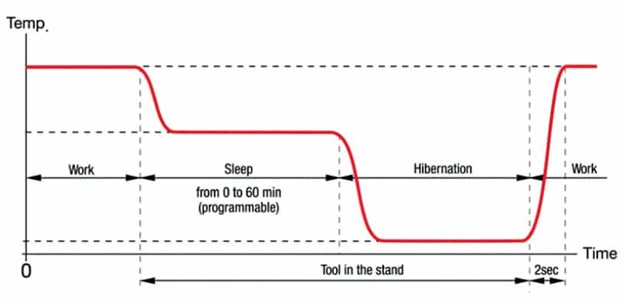
Figure 16: The working graph of sleep mode of soldering iron(Image source)
Smart Soldering Stations and their advantages
Smart soldering stations have revolutionized soldering by automating temperature adjustments. Equipped with temperature sensors or thermocouples near the heating element, these stations maintain constant tip temperatures without requiring manual intervention. The benefits include-
- Precise temperature control: Smart stations ensure consistent soldering results by continuously monitoring and adjusting temperature levels.
- Reduced oxidation: Smart stations maintain lower average temperatures, minimizing oxidation on soldering tips. This extends the tip lifespan and reduces the need for frequent cleaning and replacements.
- Extended tip life with sleep mode: Smart stations can use lower temperatures to increase tip life exponentially. The sleep mode further reduces the average temperature, extending the tip lifespan to five times. When the tool rests in its stand, the sleep mode automatically lowers the tip temperature below the solder melting point, preventing the dissolution of the tip's iron coating into molten solder. After a configurable period of tool inactivity (default 10 minutes), the tool enters hibernation mode. This cuts off the power supply, allowing the tip to reach room temperature, preventing oxidation, and conserving energy.
- Smart-Heat technology: Smart-Heat directly measures power at the solder joint, eliminating temperature overshoot risks seen in traditional smart stations. Also, they maintain consistent temperatures without calibration, ensuring precise soldering temperatures over time. This boosts productivity at lower temperatures, bypassing control cycle delays.
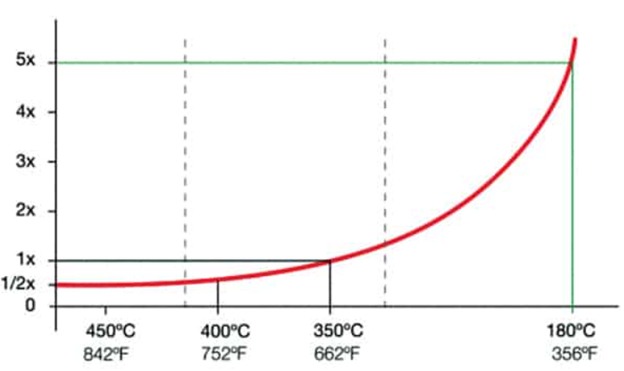
Figure 17: Increase in the life of the product w.r.t. to temperature(Image source)
Applications of soldering station
Soldering stations are essential tools in electronics, enabling the precise joining of electrical components. They are widely used in electrical engineering and R&D projects and across commercial, industrial, and domestic settings. Beyond electronics, these versatile tools are also vital for electricians, jewelers, metalworkers, and craftsmen.
| Electronic circuit boards/PCBs | Soldering creates reliable electrical connections on circuit boards |
|---|---|
| Electrical systems | Used to join wires and connect them to control panels |
| Auto body repair | Soldering can smooth uneven surfaces, strengthen joints, and aid in bodywork |
| Roofing | Wide-tipped soldering tools are ideal for joining roofing materials while braving the outdoors |
| Vacuum Tubes | Soldering can act as an insulator and sealant in vacuum tubes |
| Jewelry Design | With specialized tips, soldering enables precise work in jewelry making |
| Art & crafts | Soldering allows for the creation of beautiful stained glass and mosaic pieces |
| Plumbing | Lead-free solders are used to create secure connections in tight plumbing spaces |
| DIY Projects | Various soldering tools offer solutions for different home improvement tasks |
Table 4: Different application areas of soldering station
Conclusion
Soldering stations are crucial in achieving high-quality and reliable soldering results across various technical fields. This comprehensive guide gives engineers a definitive overview of soldering stations, covering their components, features, types, and applications. This knowledge can help engineers make informed decisions when selecting soldering stations tailored to their specific needs, enhancing accuracy, efficiency, and safety in their soldering endeavors. Understanding the fundamental principles of soldering and critical factors for selecting appropriate equipment helps engineers use soldering stations effectively in their research and development projects. By considering factors such as temperature control, quality, ergonomics, and additional features, engineers can make informed decisions to elevate their soldering projects to new heights and contribute to the success of their endeavors in various scientific and engineering domains.
Here are the variety range of products available with Farnell

Soldering stations
Soldering Station, 150 W, 230 V, 450 °C, Unit, Pencil, Tweezer, WT Series, WT2020M, EU / UK Plug Order Code 2908884

Soldering iron tip
HAKKO FX8801-01 Soldering Iron, Replacement, M Type, For T18 Series Tips Order Code 1829846

Solder wire
MULTICOMP 812002 Solder Wire, Lead Free, 1mm Diameter, 217°C, 250g, Alloy 97.1, 2.6, 0.3 Sn, Ag, Cu Order Code 1015454

Solder Flux
WELLER T0051383199 Flux, Liquid, Halogen Free, Soldering Applications, Bottle, 100ml, 100g Order Code 1572843

Solder paste
LOCTITE GC 10 SAC305T4 885V 52K 500G Solder Paste, Tub, Temperature Stable, 500 g Order Code 2476561

Rework stations
MULTICOMP PRO MP740907Rework System, 2-Channel, 230 V, 800 W, 100 °C to 500 °C Order Code 4034894

Rework system accessories
HAKKO B5052 Turbine, With Motor, Hakko FR - 810, FR - 810B & FR - 811 Soldering Stations Order Code 3935594

Desoldering irons
WELLER 0051319099 24V, 80W Desoldering Iron with Threadless Nozzle Fixture System Order Code 2628627

Desoldering guns & pumps
DEN-ON INSTRUMENTS SC7000Z Desoldering Gun, ESD Safe, 120W, 100-230VAC, 50/60Hz, 400°C Max Temperature, UK Plug Order Code 956880

Desoldering accessories
CHIP QUIK SMD2000 Solder & Desolder Rework Kit, 14 Pieces Order Code 1850227

Desoldering braid / wick
CHEMTRONICS 6045 Desoldering Braid, Soder-Wick®, No-Clean, #4 Blue, Static Dissipative Bobbin, 2.8mm x 5ft Order Code 559891

Fume extractors
WELLER FT91012699N Fume Extractor, Flexible Arm/Funnel Nozzle, Bench Top, Zero Smog EL Kit 1, 150 m³/h, 230 V, 120 VA Order Code 2678624

Fume extractor accessories
PACE 8883-0952-P1 Combo Filter, Adhesive, For PACE Arm-Evac 105, 200 and 250 Fume Extractors Order Code 2813351


Technologies





Artificial Intelligence
One of the greatest revolutions in all of human history! AI is an all-encompassing concept that incorporates human intelligence into machines
DEVKIT HQ
The #1 Destination for Embedded Evaluation Boards, Development Kits, and Tools
IoT Sensor to Cloud Platform
/IOTCONNECT™ accelerate your loT journey with secure, ready-to-use cloud connectivity
Further Resources
Calculators & Conversion Charts
Selection Guides and Catalogues
Essential Learning Modules
Tech Spotlights
Design Resources
Engineering Glossary
Technical Support
Parts Finder Tools
