How smart meters enable real-time energy monitoring
Imagine an ultra-modern city where electric vehicles (EVs) hum through streets, where solar panels glint on rooftops, and homes buzz with smart devices.
How smart meters enable real-time energy monitoring
Imagine an ultra-modern city where electric vehicles (EVs) hum through streets, where solar panels glint on rooftops, and homes buzz with smart devices.
To make this dynamic scene possible, you need a quiet powerhouse: the smart meter. These devices silently capture every kilowatt-hour, even the tiniest voltage fluctuation, and every demand spike in real time. Unlike traditional electromechanical meters that show only cumulative totals, smart meters provide detailed insights into how, when, and where energy is used. For design engineers, smart meters enable efficiency, resilience, and sustainability- effectively making them the backbone of smart grids. These meters are indispensable.
This article examines the architecture, protocols, and implementation details of smart metering, offering a technical blueprint for engineers shaping the future of energy management.
Smart meters are advanced digital devices that measure and record real-time utility consumption (electricity, gas, or water), transmitting this data to utilities via wireless or wired networks. Unlike traditional analog meters, which require manual reading and provide only cumulative usage, smart meters offer granular data at intervals as short as 15 minutes. Enabled with wireless IoT connectivity, utilities can collect accurate consumption data remotely and automatically, eliminating manual work. Smart meters enhance real-time data analysis and operational efficiency when integrated with the Smart Meter Operations Center (SMOC) and the broader IoT ecosystem. They play a vital role in Advanced Metering Infrastructure (AMI), enabling two-way communication between utilities and consumers through seamless integration with communication networks and data management systems.
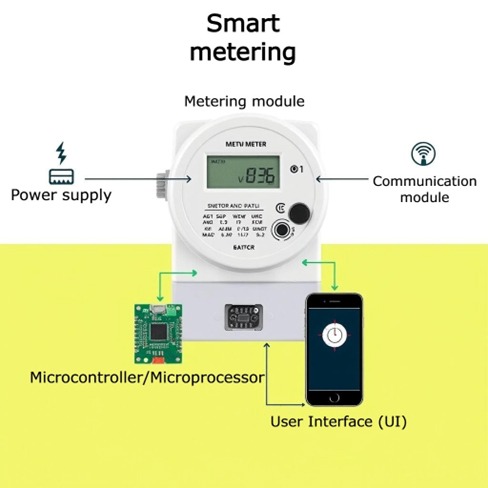
Smart meters also monitor power quality parameters, such as voltage sags, swells, and total harmonic distortion (THD), which are critical for grid stability. Figure 1 shows the key components of a smart meter.
Figure 1: Key components of Smart meter
Smart meters play a key role in today’s energy systems by supporting smart grids, helping integrate renewable energy, and giving consumers more control over their energy use.
Video: Smart Meters by Analog Devices helps to improve energy efficiencies at home
Smart meters are categorized by utility type and functionality:
Smart meters automatically measure and send your energy usage data to providers every few minutes, helping track consumption and ensure accurate billing. They also detect outages or surges in real time and support features like time-of-use pricing to save costs. Smart meters consist of the following subsystems:
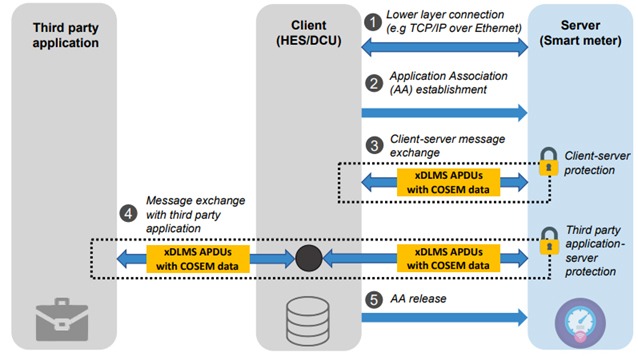
Smart meters transmit data using standardized protocols and networks.
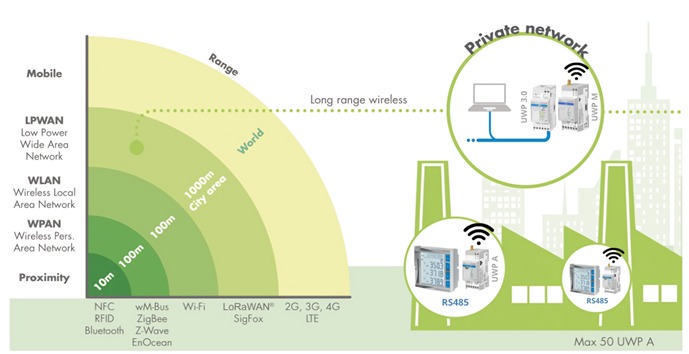
Figure 2: The typical DLMS/ COSEM communication flow

Figure 3: Smart metering connectivity across wireless communication ranges
Figure 4: Working procedure of a smart meter
Smart meters benefit utilities with accurate billing, faster outage detection, and improved grid efficiency, while giving consumers real-time insights, cost control, and billing transparency. They also promote energy savings and support renewable integration for a greener grid.
For example, smart metering in EV charging allows precise tracking of energy used per session, supports dynamic pricing and load management, and integrates with utility demand response systems. When combined with communication platforms, revenue-grade meters enable site owners to fairly allocate charging costs, monitor real-time usage, and optimize charging schedules for better efficiency and scalability.
To know more about implementing smart metering in EV charging, click here.
| Benefit | Utility impact | Consumer impact | Environmental impact |
|---|---|---|---|
| Billing | Eliminates estimates | Transparent costs | N/A |
| Efficiency | Cuts labor costs | 10–20% bill savings | Reduces emissions |
| Outage Management | Seconds to detect | Faster restoration | N/A |
| Renewable Integration | Supports DERs | Enables net metering | Promotes clean energy |
Table 1 : Benefits of using smart meters
Video : The smart way to improve your energy management from ABB
Engineers designing smart metering systems must address several technical challenges:
Advanced technologies and growing security demands are pushing smart meters beyond simple consumption tracking toward intelligent, interconnected energy management systems. Four major trends are driving this transformation.
Smart meters reshape modern energy systems by enabling real-time monitoring, accurate billing, and intelligent grid management. They go beyond basic measurement—acting as digital enablers of efficiency, reliability, and sustainability. As they integrate with IoT, AI, and AMI technologies, smart meters empower utilities to make faster, data-driven decisions while giving consumers greater control over their usage and costs. For design engineers, the focus now shifts to building secure, scalable, and interoperable solutions that support the next generation of smart grids. In short, smart meters are not just tools—they’re the foundation of smarter, greener energy ecosystems.
One of the greatest revolutions in all of human history! AI is an all-encompassing concept that incorporates human intelligence into machines
The #1 Destination for Embedded Evaluation Boards, Development Kits, and Tools
Explore our well-curated library of whitepapers, technical articles, videos, training modules, tutorials, and more to support you in developing your designs, business, and career