Specialized chemicals, such as cleaning solutions, lubricants, and protective coatings, enhance the lifespan of machinery, electronics, and other equipment operating in demanding environments. This guide highlights the critical importance of industrial chemicals for cleaning, lubricating, and protecting applications, with an emphasis on best practices and safety.
Cleaning agents: Cleaners and degreasers
Cleaners and degreasers are vital for maintaining sensitive equipment in an industrial environment. These chemicals are specifically made to remove contaminants such as dust, oil, and other residues without causing damage to delicate components. The following is an overview of their types and best practices:
- Types of Electronics-safe cleaners: Cleaners typically come in solvent— and water-based forms. Solvent-based cleaners dissolve grease, oil, and dirt quickly and are ideal for heavy-duty cleaning, whereas water-based solutions are generally milder and more eco-friendly. Popular types include isopropyl alcohol, acetone-based cleaners, and non-flammable electronic cleaners.
- Best practices for effective cleaning: When cleaning electronics, always apply the cleaner to a soft, lint-free cloth or brush to prevent over-saturation. Avoid spraying directly unless specified by the product instructions. Ensure proper ventilation, wear protective gear, and use non-conductive, quick-drying solutions to avoid leaving moisture on sensitive components.
- Safety considerations: Choose cleaners labelled "electronics-safe" to minimize the risk of damaging plastics, rubber, and other materials. Additionally, many modern industrial cleaners are designed with environmental safety in mind, making it possible to opt for sustainable, low-VOC (volatile organic compound) formulations that are less harmful to users and the environment.

Figure 1: ECSP400D Cleaner, Fast Drying, Computers, Electrical, General Purpose, Aerosol, 400 ml (Source)
Special lubricants: Reducing wear and enhancing performance
Lubricants are vital in minimizing friction, wear, and overheating in industrial machinery and electronic assemblies. Specialty lubricants formulated for electronics and precision components ensure smooth operation, prevent metal-to-metal contact and improve the longevity of moving parts. The following is an overview of how they benefit industrial applications:
- Types of lubricants for electronics: Electronics-safe lubricants are typically silicone-based, PTFE (polytetrafluoroethylene), or synthetic oils. Silicone lubricants provide a thin, moisture-resistant layer, ideal for connectors and sliding mechanisms. In contrast, PTFE-based lubricants are excellent for high-wear areas due to their low friction and high-temperature tolerance.
- Typical applications: Lubricants are used across multiple areas, such as connectors, switches, and bearings, to minimize wear from repeated use. A few specific lubricants are also designed to resist dust accumulation, providing a cleaner operating environment, and reducing the need for frequent maintenance.
- Selecting the proper lubricant: When choosing lubricants for electronics, select options that resist oxidation, have low volatility, and won’t degrade under environmental stressors like temperature fluctuations. Many specialty lubricants are also ESD (electrostatic discharge) safe, reducing the risk of damaging sensitive electronic circuits.

Figure 2: MOLYKOTE HP-670, 1KG. Lubricant, Grease Synthetic, 1 kg, White, NLGI Grade 2 (Source)
Protective coatings: Shielding electronics from environmental damage
In hostile industrial environments, protective coatings serve as the first line of defence for electronics. These coatings function as a barrier against moisture, chemicals, dust, and corrosion. The performance and lifespan of printed circuit boards (PCBs) and other sensitive components are thus increased. Key types of protective coatings include:
-
Conformal coatings: Conformal coatings are applied as a thin, uniform layer over PCBs, providing insulation and protecting against moisture, dust, and other contaminants. Available in acrylic, silicone, and polyurethane forms, conformal coatings are often UV-curable and designed for quick application, making them ideal for high-volume manufacturing.
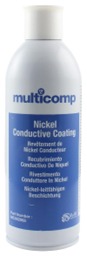
Figure 3: MC002968 Conductive Coating, Nickel, Grey, Aerosol, 232 ml Volume (Source)
-
Encapsulants and potting compounds: For applications requiring more robust protection, encapsulants and potting compounds offer high resistance to chemicals, temperature extremes, and mechanical stress. Encapsulants surround the entire electronic assembly, creating a solid barrier that helps prevent moisture ingress and physical damage while potting compounds offer similar protection but are generally more flexible.
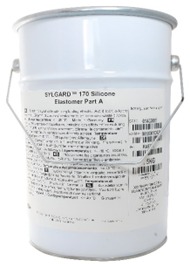
Figure 4: SYLGARD 170, 10KG Silicone Encapsulant, Sylgard® 170, 2 Part, Black / White, Container, 10kg (Source)

Figure 5: 834B-2.7L Potting Compound, Thermally Conductive, Flame Retardant, 2 Part Epoxy, Can, Black, 2.7 (Source)
- Rust inhibitors and corrosion prevention sprays: Rust inhibitors are invaluable in industrial environments where metals are prone to corrosion. These are available in spray, liquid, and paste forms and are typically applied to metal surfaces to prevent rust and corrosion. Protective sprays and inhibitors create a barrier against oxidation and moisture, extending the life of equipment and reducing maintenance costs. For electronics, it's essential to use inhibitors that are safe on metals like aluminium, copper, and stainless steel and won't react with electronic components.
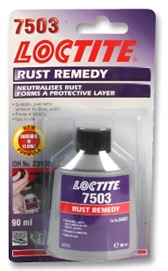
Figure 6: SF 7503, 90ML Rust Remover, Rust Inhibitor, Bottle, Grey/Green, 90 ml (Source)
-
Applications of corrosion protection: These chemicals are widely used on chassis, enclosures, connectors, exposed machinery parts and cable assemblies.
Antistatic chemicals: ESD protection for sensitive components
Static electricity is a significant risk to electronics, especially in assembly and repair processes. Antistatic chemicals, such as sprays and coatings, are designed to neutralize static buildup and prevent electrostatic discharge (ESD), which can irreparably damage sensitive components.
-
Antistatic sprays form a protective layer on surfaces, minimizing the risk of static buildup. They are commonly used on work surfaces, storage bins, and tools to ensure an ESD-safe environment, especially critical in electronics assembly and repair.
-
Choosing antistatic products: When selecting antistatic chemicals, ensure they are compatible with the materials you are working with and meet industry standards for ESD protection. Additionally, many antistatic sprays are considered non-toxic and environmentally friendly, making them safer for industrial settings.

Figure 7: ANTISTATIC SPRAY, 400ML. Cleaner, Antistatic, Anti Duster, Powerful, Dry, Inert Gas, Aerosol, 400 ml (Source)
Sealing and bonding: Choose the right industrial sealant
Industrial sealants are adhesive in nature. They serve as a protective barrier to protect and secure different surfaces like metal, plastic, wood, etc. Industrial sealants are built to endure environmental challenges, temperature variations, and the harsh conditions often encountered in industrial applications.
- Different types of Industrial sealants in electronics: Industrial sealants used in electronics come are available to fulfil specific needs. Silicone sealants are highly flexibility and thermal stability, making them suitable for high-temperature and dynamic applications. Epoxy sealants provide exceptional adhesion, chemical resistance, and mechanical strength and are often used for potting and encapsulating electronic components. Polyurethane sealants, known for their durability and resistance to vibration, are ideal for cable assemblies and connector sealing. Acrylic sealants, with their fast-curing properties and transparency, are often used in display panels and optical assemblies where aesthetics and lightweight solutions are essential.
- Applications of industrial sealants in electronics: Industrial sealants are essential in electronics, where they protect PCBs from moisture, dust, and contaminant ingress. They protect sensitive sensors and maintain IP ratings for enclosures. These sealants block water and dust, thereby maintaining connectors and cables. Battery packs keeps people safe by preventing leaks. These packs also add stability.
Conclusion
Industrial chemicals for cleaning, lubricating, and protecting are indispensable in maintaining the functionality and longevity of electronics and machinery. Industries can improve the reliability of their equipment with the proper selection of electronics-safe cleaners, specialty lubricants, protective coatings, antistatic solutions, and corrosion preventatives. The correct selection can enhance the reliability of their equipment while reducing downtime and maintenance costs. As a global distributor, Farnell offers a wide range of high-quality industrial chemicals. By investing in quality chemicals and following best practices, companies can keep their industrial systems running smoothly and ensure peak performance.


Tecnologías





Inteligencia artificial
¡Una de las más grandes revoluciones en la historia de la humanidad! La inteligencia artificial es un concepto integral que incorpora la inteligencia humana a las máquinas
DEVKIT HQ
The #1 Destination for Embedded Evaluation Boards, Development Kits, and Tools
IoT Sensor to Cloud Platform
/IOTCONNECT™ accelerate your loT journey with secure, ready-to-use cloud connectivity
Further Resources
Calculators & Conversion Charts
Selection Guides and Catalogues
Essential Learning Modules
Tech Spotlights
Design Resources
Engineering Glossary
Technical Support
Parts Finder Tools
Recursos técnicos
Explore nuestra biblioteca cuidadosamente seleccionada de documentos técnicos, artículos técnicos, videos, módulos de capacitación, tutoriales y mucho más para ayudarle a desarrollar sus diseños, su negocio y su profesión.

La más grande comunidad online de ingenieros
CONÉCTESE | APRENDA | CREE | INSPIRE